One of the most asked questions in the team is "Well what is the difference between UI/UX?" On the surface, it does seem similar as the most common areas seem to overlap, so how do I explain the differences and expectations without using the famous UI vs UX ketchup bottle.
But first, let us recognize that User Experience (UX) and User Interface (UI) are different. User experience is mostly based on the psychology of a user and their needs. User Interface plays a part within UX and uses the data and research from UX to create rich designs that can then be given to the development team
I thought of how I saw the difference, as there must be one, right? I mean you can be great at putting beautiful designs together but not understand the end-users needs. Or you can fully understand content localization the user psychology then not understand the difference between monochrome and monospaced! And no, a logo is not something that will help the end-user use the system
Here I break it down into 6 areas to better understand the responsibilities and common areas between the 2 roles.
Design Principles
Design principles are guidelines and considerations applied to a project and used by professionals from many disciplines. UX professionals have a more Human centered bias and consider the users with higher regard than the stakeholders and clients. UI Designers veer towards a more subjective and visual guideline. Client requirements are shared between the two roles as both the Users and Clients needs should be met. Most often a person in the UX role also creates the user stories since the user story is written from the perspective of the end-user.
Thought Process
Creative minds and analytical minds absorb information differently. UX, analytical minded roles use data and information to solve logistical issues, Getting a user from A to Z as seamlessly as possible. UI, Creative thinking roles allow for a more stimulated resolution to abstract elements. For instance, Pulling a user's attention to a limited offer on a webpage.
Strengths
In a UX role the strength comes in understanding Scenarios, User flows and the journey a user will take while using an application or website. Following this, the understanding of colour theory and typography assist a UI designer to take those scenarios and turn them into a beautiful design, allowing the user to enjoy the journey.
Theories
A few theories are shared between UI and UX. This allows the 2 roles work cohesively. By applying different principles UI and UX teams can control visual context. In most cases the knowledge stack of a UX designer is psychological and technical and UI designers often have skills in graphic design, brand management and often and understanding of the technologies used by the development teams.
Competencies
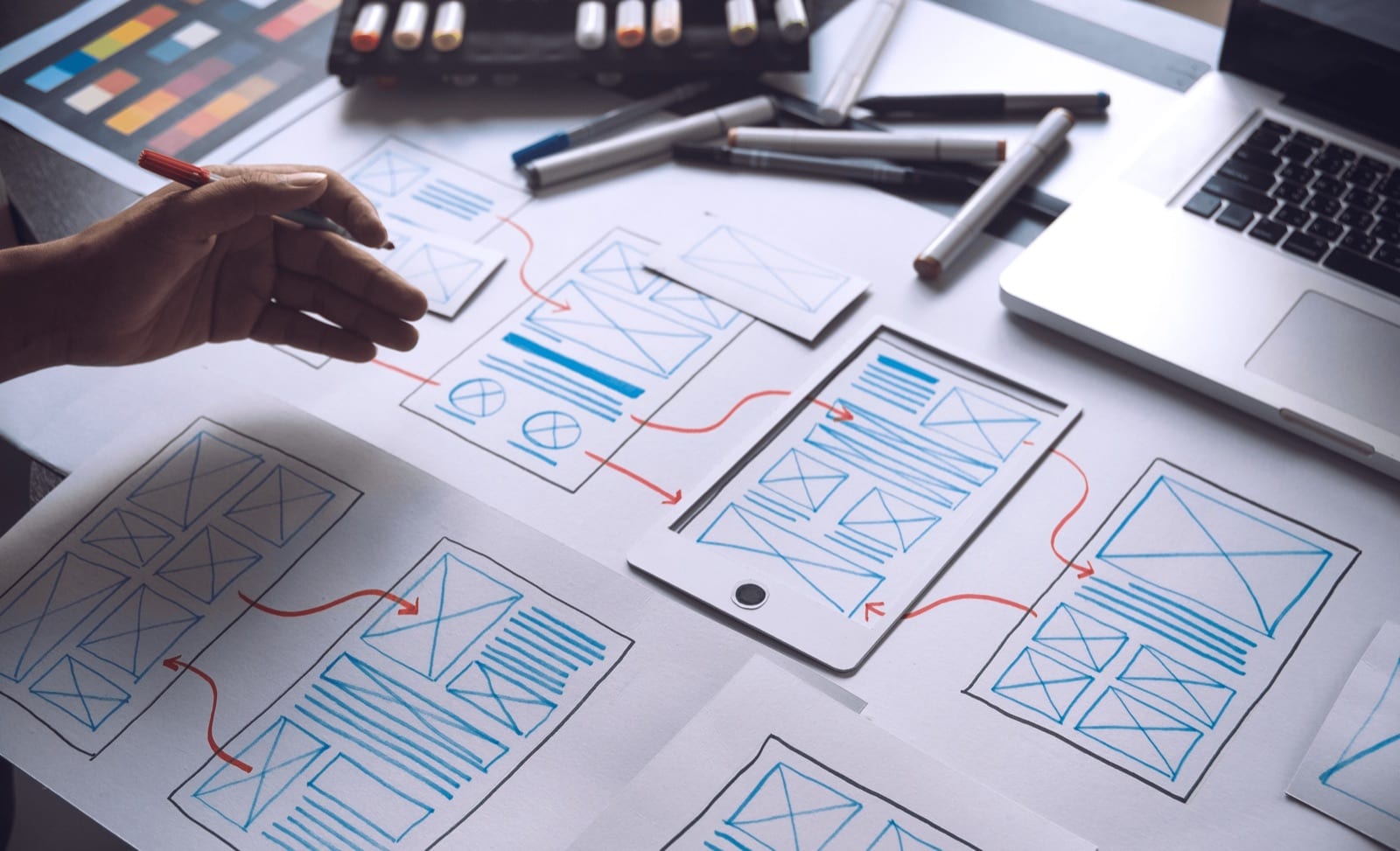
Prototyping allows a UX designer to test if a system and its users' needs are met before production on the product begins. Understanding the needs for efficiency when creating prototypes. UI designers are well versed in their toolsets and their understanding of the above-mentioned theories to be efficient in creating mock-ups and style guides.
Additional Skill Sets
As the UX and the UI space becomes more defined in the industry, there are still many additional skills sets each role assists with. A lot of the time a UI designer can second as a web developer and graphic designer with a UX roles assisting on functional requirements and (IA) organizing information in a logical way allowing a user to consume the content of a site simply.
In Conclusion
Both fields supply a development team with added benefits. UX roles are usually present before and throughout a project while UI Designers create a design concept and hands over to the development before the building of a project is started. UX considers the users' needs and recognises users' problems then aims to solve the issues and creates an overall effective experience for the user. While UI creates aesthetically-pleasing, intuitive and interactive solutions.
For more information on this topic:
- Nielsen Norman Group https://www.nngroup.com/
- Lesley University https://lesley.edu/article/critical-ux-skills
- Smashing magazine https://www.smashingmagazine.com/category/ux/
- UX Magazine https://uxmag.com/the-business-of-ux
About Me: I am Amanda Cook, a Usability Consultant at First Technology Digital - Innovation & IoT, My primary focus at FD is conceiving innovative and usable application solutions. I work on connecting the customers and the development teams, ensuring the that the solutions delivered are usable, accessible and user-centric.